Aluminum Foundry article produced in a concise style
Wiki Article
Exploring the Essential Features and Benefits of Steel Foundries
Steel factories serve a vital feature in the production landscape. They change raw products into precise metal items for various markets. This process involves specialized techniques that assure high quality and performance. The financial implications are significant, influencing neighborhood neighborhoods and work markets. As technology evolves, so do the practices within the industry. Understanding these dynamics exposes much concerning the future of production and its duty in sustainability. What exists in advance for metal factories?The Role of Steel Factories in Manufacturing
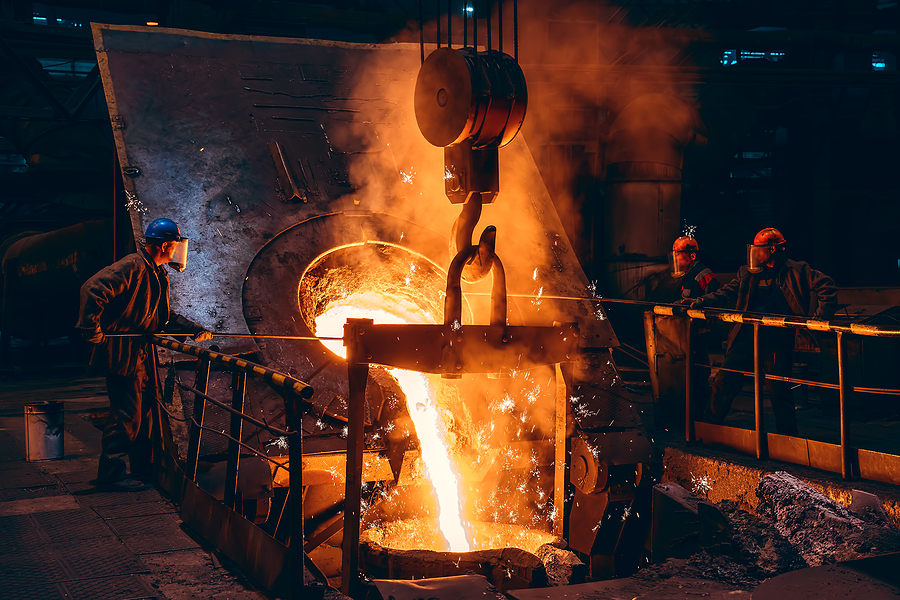
Steel factories play a crucial duty in the production industry by transforming raw products into useful steel products. These centers focus on melting and spreading metals, making use of a range of techniques to develop elements that serve multiple markets, consisting of auto, aerospace, and construction. By converting raw steel ores, scrap metal, and alloys into accurate shapes and sizes, factories allow producers to generate high-quality items tailored to particular applications.Additionally, steel factories add significantly to the economic situation by promoting and providing jobs development in metalworking modern technologies. They usually purchase study and growth to improve efficiency and sustainability, decreasing waste and energy intake during manufacturing processes. The capability to produce complicated geometries not just meets style requirements yet likewise improves overall item efficiency. Basically, steel factories work as an important link in the supply chain, ensuring the availability of crucial steel components for a myriad of applications in modern-day production.
Necessary Procedures Included in Steel Casting
In the procedure of changing resources right into completed products, metal spreading includes a number of key procedures that safeguard the production of high-grade components. At first, the process begins with the prep work of liquified steel, which typically entails melting basic materials in a heating system. When the metal gets to the preferred temperature level, it is poured into a mold and mildew formed to develop the end product.Cooling adheres to, where the molten metal strengthens within the mold, tackling its new form. After sufficient cooling, the mold and mildew is eliminated, revealing the cast element. This is frequently adhered to by ending up procedures, including machining, to achieve specific dimensions and surface area high quality. Additionally, evaluations are carried out to ascertain that the castings fulfill defined requirements and tolerances. These essential procedures highlight the intricate nature of steel casting, emphasizing the crucial duty that each action plays in producing dependable and sturdy steel products.
Kinds Of Metals Frequently Utilized in Foundries
While numerous metals can be used in factories, several stand apart as a result of their special residential properties and viability for certain applications. Iron, specifically in the form of actors iron, is renowned for its strength, resilience, and excellent casting attributes, making it optimal for machinery and automobile parts. Aluminum is favored for its lightweight nature and resistance to deterioration, often utilized in aerospace and transportation sectors. Copper alloys, such as bronze and brass, are chosen for their phenomenal conductivity and aesthetic charm, generally discovered in electrical elements and ornamental things. Steel, particularly carbon steel, is valued for its strength and flexibility, commonly used in building and construction and manufacturing. Magnesium is valued for its low thickness and high strength-to-weight proportion, making it a favored selection in applications calling for lightweight materials. Each of these metals offers distinctive benefits that cater to the diverse requirements of various sectors.Quality Control Steps in Metal Shops
Quality assurance steps in steel foundries are important for making sure product integrity and compliance with market criteria (Aluminum Foundry). Different examination strategies are employed to evaluate the buildings of actors metals, while adherence to developed standards and certifications enhances high quality guarantee. This organized technique not only enhances operational efficiency however also develops customer rely on the final itemsExamination Techniques Introduction
Reliable evaluation techniques are crucial for maintaining high requirements in steel factories, as they guarantee that each item satisfies specified resistances and efficiency demands. Various approaches are used to evaluate the high quality of spreadings, including aesthetic assessments, dimensional checks, and non-destructive screening (NDT) Aesthetic evaluations enable drivers to determine surface area flaws such as fractures or incorporations, while dimensional checks confirm that parts adapt create specifications. NDT techniques, such as radiographic and ultrasonic testing, give much deeper insights into inner imperfections without harming the product. Additionally, computerized evaluation systems are progressively utilized to boost precision and efficiency. With each other, these assessment strategies play a significant role in securing item dependability and consumer complete satisfaction within the competitive landscape of metal factories.Standards and Certifications
In the domain name of steel shops, adherence to established accreditations and requirements functions as a cornerstone for top quality control steps. These criteria, such as ISO 9001 and ASTM, give frameworks that ensure consistent item top quality and reliability. Certification procedures involve strenuous assessments, consisting of audits and assessments, confirming that foundries satisfy certain efficiency criteria. Compliance with these criteria not only enhances item integrity however likewise cultivates client trust fund and satisfaction. Additionally, certification can open up brand-new markets, as several sectors require conformity for procurement. By implementing these quality control actions, metal factories can lessen defects, enhance production procedures, and maintain an one-upmanship in the industry. In general, standards and accreditations play an essential duty in ensuring the success and sustainability of metal shops.Advancements and Technologies in Shop Procedures
As the need for accuracy and effectiveness in steel spreading continues to expand, factories are significantly adopting innovations and modern technologies that boost their procedures. Automation plays an essential function, with robot systems simplifying processes such as mold and mildew handling and spreading. This not only decreases labor costs yet also minimizes human mistake, bring about enhanced item high quality.Additionally, innovations in computer-aided style (CAD) and simulation software make it possible for foundries to maximize layouts prior to production, allowing for faster turn-around times. Integrating 3D printing modern technology for producing cores and mold and mildews further increases production and enables complex geometries that conventional approaches can not accomplish.
Additionally, the integration of information analytics and the Internet of Points (IoT) gives real-time tracking of equipment and procedures, enhancing anticipating upkeep and operational performance. These advancements jointly add to an extra receptive, nimble, and affordable shop atmosphere, positioning them well to satisfy progressing market demands.
Economic Effect of Steel Shops on Regional Communities
The developments in technology within steel factories not just improve production capacities however likewise greatly affect regional economic climates. Steel shops work as a substantial Aluminum Foundry resource of work, offering work for experienced workers and contributing to the financial security of their areas (Aluminum Foundry). These centers commonly promote local businesses, as they require a variety of services and products, from basic materials to transportation and logistics. The presence of a metal foundry can also attract relevant markets, promoting a network of distributors and sustaining organizations that flourish in distance to manufacturing centersFoundries contribute to the tax obligation base, producing profits for regional governments that can be used for public services and facilities improvements. The economic causal sequence includes area growth, as foundries usually involve in local efforts and support workforce training programs. Generally, metal foundries play an essential function in bolstering the economic landscape of their areas, guaranteeing development and sustainability.
Sustainability Practices in the Metal Foundry Industry
The steel factory market is progressively taking on sustainability methods to decrease its ecological impact. Trick strategies consist of recycling steel scrap, executing power performance steps, and utilizing green casting processes. These initiatives not only contribute to resource conservation yet additionally enhance the market's overall sustainability profile.Recycling Metal Scrap
Reusing steel scrap stands as a foundation of sustainability practices within the steel factory market. This process not only preserves natural resources however also greatly decreases garbage dump waste. By reclaiming scrap metal, shops can decrease the requirement for virgin materials, minimizing environmental impact and power intake connected with mining and extraction. The recycling of metal scrap cultivates a round economy, where products are reused and repurposed, creating an extra lasting production cycle. Factories typically carry out innovative sorting and handling technologies to enhance reusing effectiveness, guaranteeing high-grade outcome. As the sector progressively prioritizes environmentally friendly practices, the recycling of steel scrap stays an essential component, advertising both financial practicality and ecological stewardship for future generations.Energy Efficiency Steps
Sustainability in the steel shop industry extends beyond recycling techniques to incorporate energy effectiveness actions. Factories are increasingly embracing innovations that lower power intake during metal production and casting. Executing advanced melting methods, such as induction melting, allows for more exact temperature level control and lowered power waste. In addition, enhancing heater procedures with warm recovery systems records and recycles excess warm, notably reducing overall power requirements. The combination of energy-efficient lighting and automation additionally improves operational efficiency. By buying these energy effectiveness procedures, factories not only lessen their carbon footprint yet likewise understand cost savings, adding to a much more financially viable and sustainable industry. Embracing such practices is vital for attending to and fulfilling regulatory standards expanding environmental problems.Eco-Friendly Spreading Processes
While typical spreading approaches have offered the metal shop market for decades, environmentally friendly casting procedures are currently getting importance as an important part of lasting manufacturing. These ingenious strategies prioritize the decrease of waste, power consumption, and hazardous exhausts. Many shops are embracing recyclable materials and water-based coverings, lessening ecological influence. Furthermore, developments in 3D printing technology assist in a lot more efficient layouts, minimizing the requirement for comprehensive product usage. Closed-loop systems are likewise being carried out, permitting the recycling of steels and various other spin-offs. By welcoming these environment-friendly methods, steel factories not just enhance their operational performance but also contribute to the worldwide effort towards sustainability, lining up with boosting customer demand for eco accountable items.Frequently Asked Questions
What Precaution Are Implemented in Steel Shops?
Precaution in metal foundries consist of individual safety tools, proper ventilation systems, normal safety and security training, danger interaction, emergency situation reaction methods, and routine equipment maintenance to minimize dangers related to heats and unsafe products.How Do Shops Take Care Of Hazardous Materials?

What Prevail Job Opportunities in Metal Foundries?
Usual profession possibilities in steel shops include duties such as shop professional, melting operator, quality assurance examiner, upkeep engineer, and manufacturing supervisor, each contributing to the reliable operation and outcome of steel spreading processes.
How Do Foundries Handle Waste and Recycling?
Shops take care of waste and reusing through systematic procedures, including the collection of scrap metal, reusing materials, and carrying out eco-friendly techniques (Metal Foundry). These approaches aid minimize ecological impact while promoting resource efficiency within the sectorWhat Are the Environmental Rules for Metal Foundries?
Steel foundries play an essential function in the manufacturing field by changing raw products right into functional steel items. Quality control steps in metal factories are crucial for ensuring item integrity and compliance with industry requirements. By executing these quality control procedures, steel shops can reduce flaws, maximize production procedures, and keep an affordable side in the market. Recycling metal scrap stands as a cornerstone of sustainability practices within the metal foundry market. While standard spreading approaches have served the metal shop industry for decades, eco-friendly spreading processes are currently obtaining prominence as an essential part of lasting manufacturing.
Report this wiki page